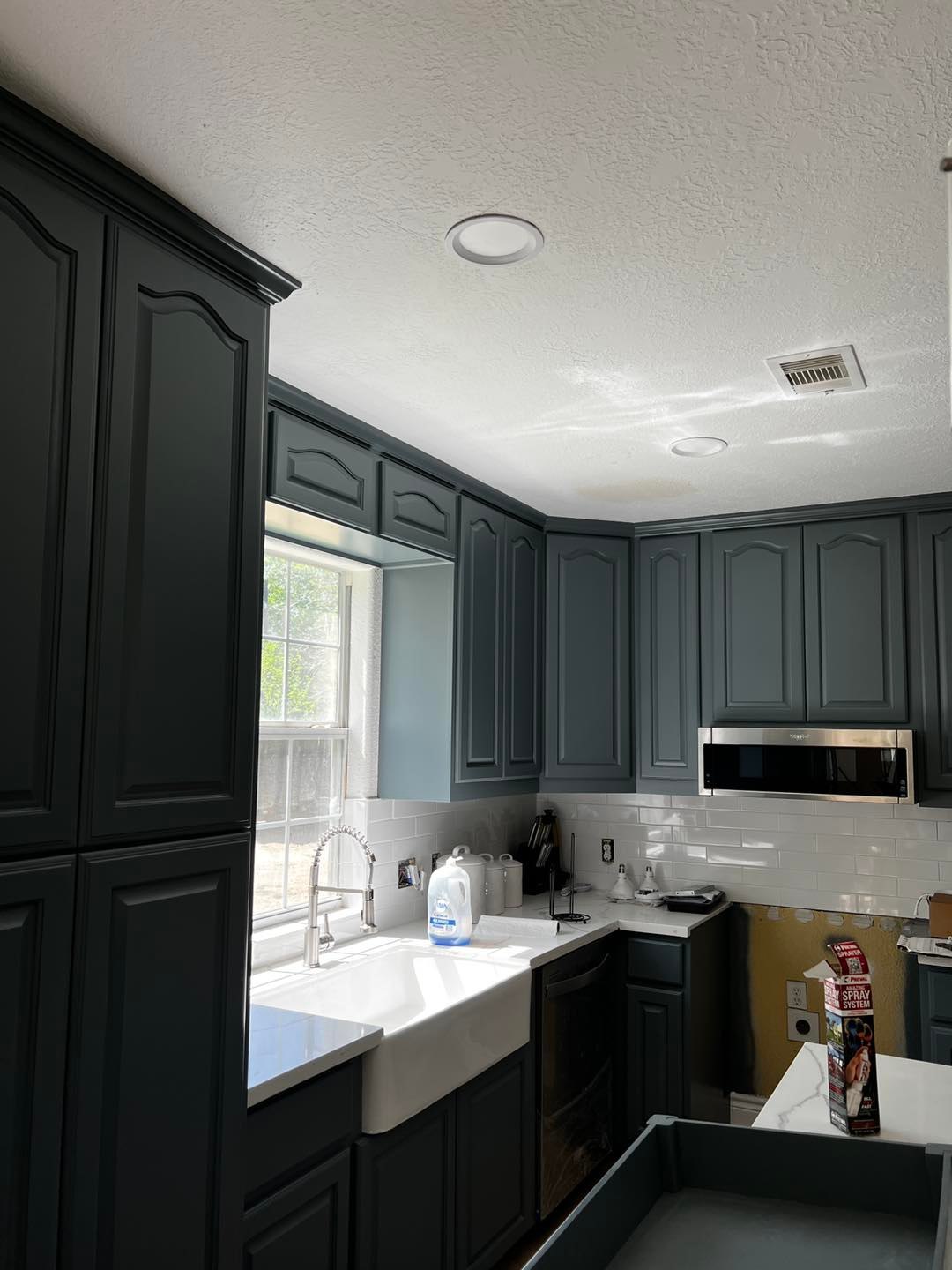
Paint Prowess: Unveiling Professional Techniques for a Polished Look Apr 26, 2026
Preparation is key to any successful painting project. Before you even dip your brush, it’s crucial to spend adequate time preparing the surfaces. Start with cleaning the walls to remove any dust or grime. Then, inspect for cracks or holes that need filling. A high-quality primer is essential, especially if you’re dealing with a previously dark wall color or painting over stains. Priming not only enhances paint adhesion but also ensures vibrant and consistent color.
Selecting the right tools can significantly influence the outcome of your painting efforts. Using quality brushes and rollers is essential. For more detailed work or to achieve crisp edges, high-quality angled brushes are your best friends. On larger walls, opt for rollers with the appropriate nap thickness based on the wall texture. Selecting the right tool not only improves the ease of application but also impacts the smoothness of the finish.
Technique is what sets amateur efforts apart from professional results. When painting walls, starting with "cutting in" around edges and corners creates a frame within which you can roll—this approach minimizes brush marks and overlaps. Employ a technique known as “W” or "M" motion when rolling paint to distribute it evenly and seamlessly. Overlap each stroke slightly to prevent lap marks, ensuring a uniform finish across the entire surface.
Timing and layering also play a significant role. Experts know that between each coat, allowing the appropriate time for drying is crucial to avoid peeling or streaking. Most paints require a four-hour waiting period between coats, though checking the manufacturer's instructions is always wise. Applying thin coats is easier to control and often leads to a smoother finish than applying fewer, thicker coats.
Don’t underestimate the power of color testing. What looks great in a sample strip might reflect differently under the lighting conditions in your space. Thus, always test paint samples on your wall and observe them at different times of the day. This practice gives a realistic expectation of how the finished results will appear, helping to avoid any disappointments.
Finally, thoughtful cleanup and maintenance extend the life of your paint job. Carefully clean your brushes and rollers immediately after use to preserve their longevity. Store leftover paint properly by sealing the cans tightly and keeping them in a cool, dry place, ready for future touch-ups.
By implementing these professional painting techniques from AGD Painting, you can achieve a polished look that not only refreshes your living environment but also adds lasting value. Whether you're tackling a room overhaul or small touch-ups, understanding these nuances makes all the difference. With patience and attention to detail, transforming your home into the vibrant masterpiece you envision becomes not just attainable, but a satisfying reality.
/filters:no_upscale()/filters:format(webp)/media/3de78f5d-3f68-4f4e-8523-03e3b26a9694.jpg)
/filters:no_upscale()/filters:format(webp)/media/fbd5a417-7599-4e80-9ab5-a39953e7dbf7.jpg)